LAUNCH DAY!

ReelLife Science Image 1(Directing a nature hunt in NUI Galway are students from St Enda’s College, Galway (l-r): Conor Elliot, Shane Kelly, Sorcha Whyte, Alice O’Donnell and John Ugwu. Photo by Iain Shaw.)

316 primary and secondary schools around Galway and the island of Ireland, will this morning have received an invitation to take part in the inaugural ReelLife Science schools Science video competition.  The competition aims to involve school children in Science in a fun way, developing their analytical, creative and communication skills.  Teachers and students are invited to choose a Scientific topic to communicate in their own unique way, by making a short (1-3 min) video. ReelLife Science will be awarding €1000 in prizes to the winning schools, who will also be invited to the Galway Science and Technology Festival on November 24th, to see their videos on display to the public.
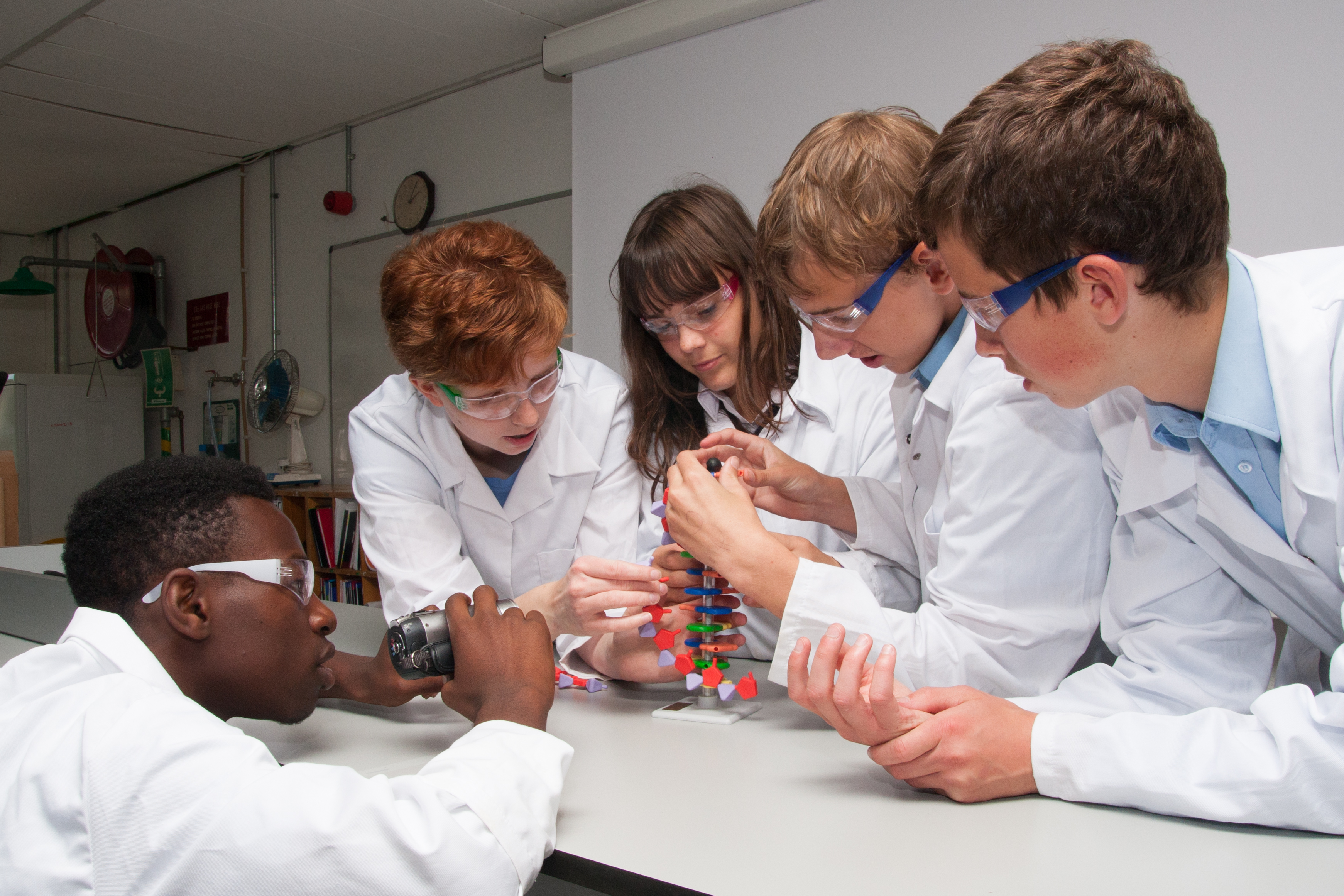
ReelLife Science Image 2(Getting up close to DNA are students from St Enda’s College, Galway (l-r): John Ugwu, Sorcha Whyte, Alice O’Donnell, Conor Elliot and Shane Kelly. Photo by Iain Shaw.)

Videos must reach us by Friday, 25 October and the winners will be announced on November 11th. The winning videos will be displayed on the projects website, Facebook page , and Twitter feed, where regular updates, Science news and blog posts can be found. Additional application forms may be downloaded by primary and secondary schools in Galway city and county here.

The NUI Galway ReelLife Science team wishes everyone taking part in the competition the best of luck. Have fun everyone!

For further information visit www.reellifescience.com

STEM CELLS: Irish marine animal provides hope for research into ageing

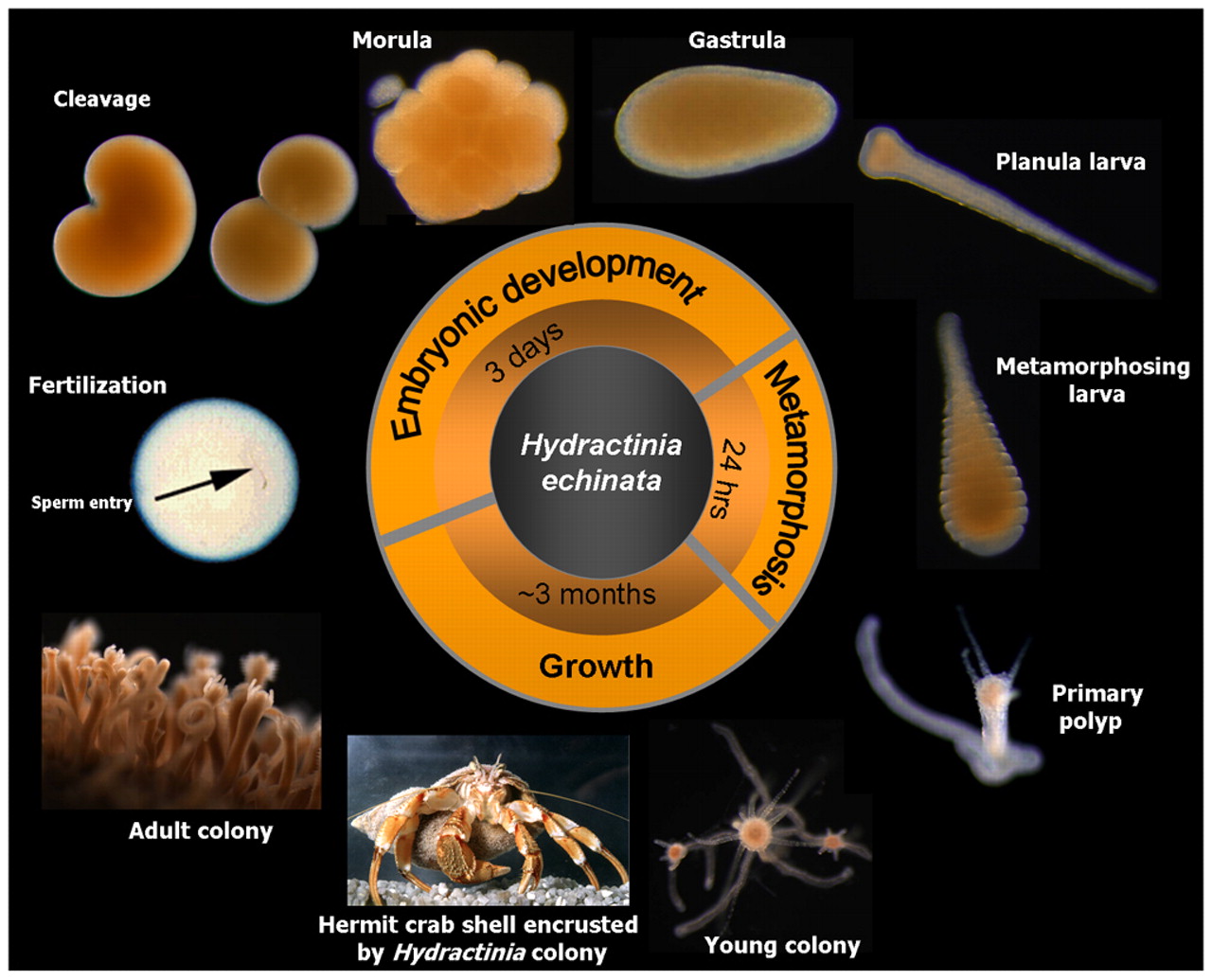
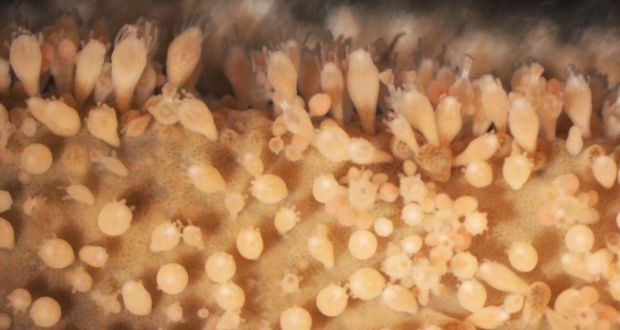
Hydractinia echinata are tiny organisms that can be found living on the back of hermit crabs in the waters around Ireland. What makes these guys so interesting is they have an amazing ability to re-generate any lost body parts (they can even re-generate a new head should its head be bitten off by a predator!)  This regeneration ability, it has been discovered is a result of the Hydractinia having so many stem cells in its body.

The team led by Dr. Uri Frank in NUI Galway have been able to show that how the stem cells of the Hydractinia behave are very similar to their  human counterparts which makes them a very interesting organism to study so we can better understand human development, aging and disease. Using these tiny creatures could open doors for scientists in ways that could not have been imagined before.

Hydractinia Life Cycle

HABITATS: Atlas of Ireland’s Marine Mammals

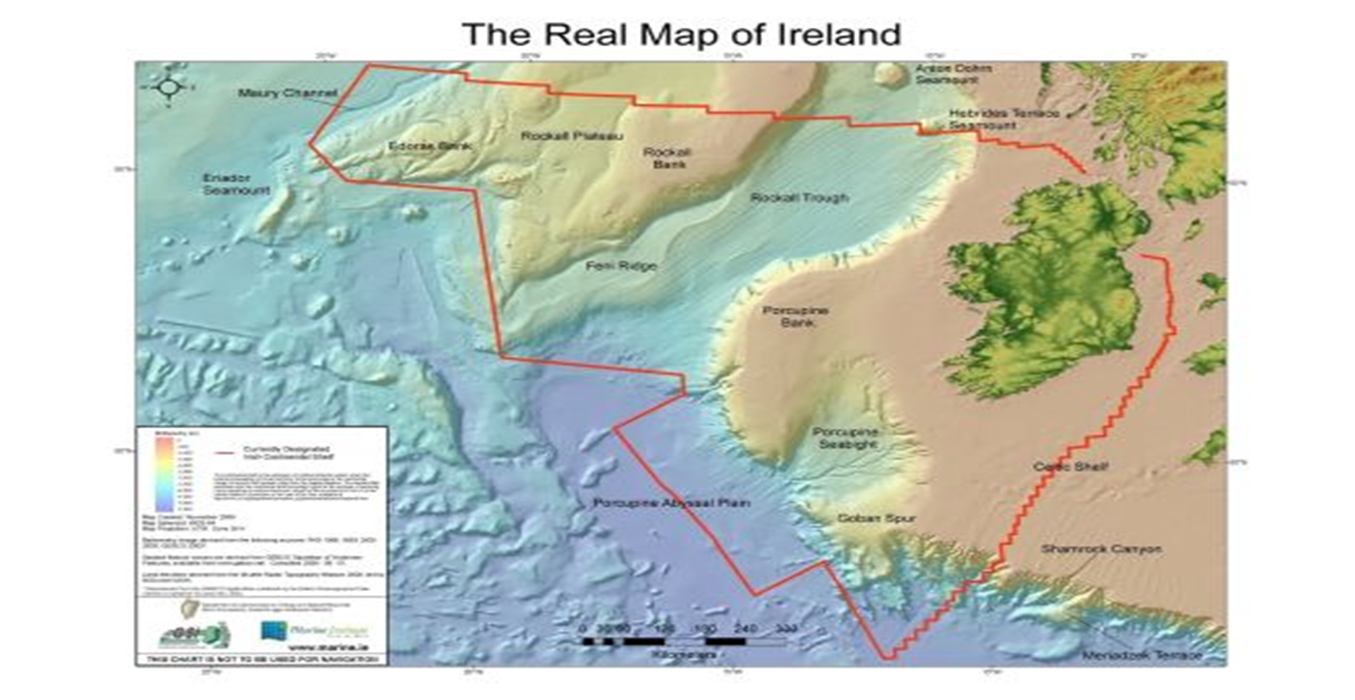
The Real Map of Ireland

Image courtesy of the Marine Institute

Last week the Irish Whale and Dolphin Group published their Offshore Marine Mammal Atlas, which surveyed Ireland’s seas for whales, dolphins and seals. The Atlas took six years to complete, with researchers spending over 1,000 days at sea recording more than 3,300 sightings of 35,000 animals.

As you can see from the image above, Ireland’s seabed territory extends far into the Atlantic Ocean, but also contains part of the Irish and Celtic Sea, and taken together is called the “Irish Continental Shelf”. The island of Ireland covers 20,863,360 acres of land but can claim a marine and undersea territory over ten times greater than that, at a staggering 220 million acres. The UN Convention of the Law of the Sea grants Ireland the sovereign right to explore this area and to exploit its natural resources.

Celtic Explorer

Image courtesy of the Marine Institute

The marine mammal survey took over 5,000 hours of survey effort and was carried out on a variety of vessels, including research vessels (e.g. R.V. Celtic Explorer above), naval vessels (e.g. LE Roisin) and even car ferries (e.g. MV Ulysses). Researchers searched the seas ahead of the vessel by eye and using binoculars, typically on the deck but also on the “monkey island” (i.e. on the roof of the bridge) and the “crow’s nest”. Weather conditions and position data were automatically collected by the ship’s onboard computers and GPS. Continue reading “HABITATS: Atlas of Ireland’s Marine Mammals”